
Control de Ratas de Campo Grises: Best Exclusive Solutions in Palm Crops
25/04/2026
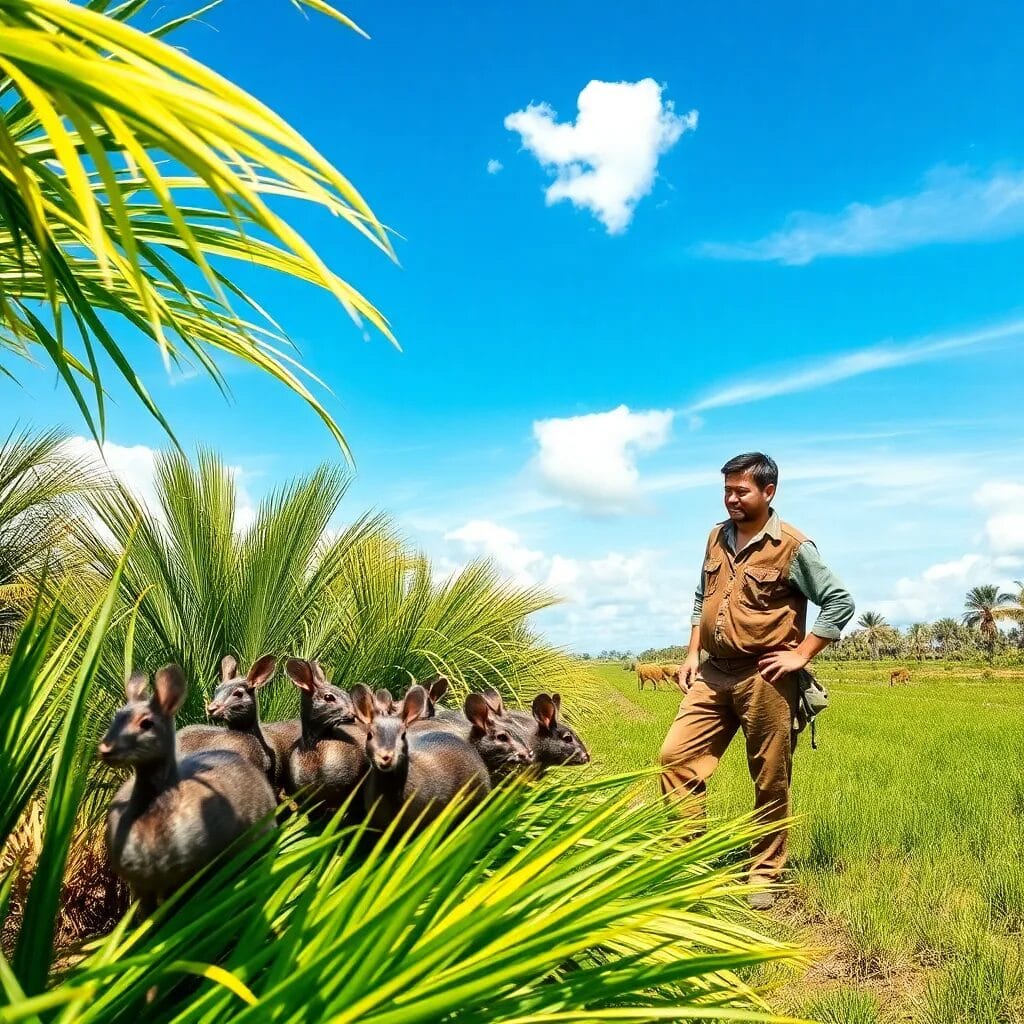
Control de Ratas de Campo Grises: Best Exclusive Solutions in Palm Crops is a critical focus for sustainable plantation management, particularly in regions where oil palm dominates the landscape. These rodents, scientifically identified as Rattus rattus or similar field-adapted species, pose a persistent threat not only through direct consumption of palm fruits and seedlings but also by damaging irrigation systems, spreading pathogens like leptospirosis, and creating burrow networks that destabilize young plantings. Unlike urban rat species, field rats thrive in the dense undergrowth and mulch layers characteristic of mature palm plantations, making conventional baiting programs less effective due to bait shyness, non-target interference, and rapid reinvasion from surrounding habitats. Effective control demands moving beyond generic rodenticides toward integrated, exclusive strategies tailored to the unique ecology of palm agroecosystems and the behavioral nuances of these adaptable pests. Success hinges on understanding their foraging patterns, reproductive cycles tied to fruit availability, and aversion to certain control methods—factors that necessitate precision and exclusivity in solution design.
Control de Ratas de Campo Grises: Understanding the Pest Dynamics in Palm Systems
Effective management begins with recognizing why standard approaches fail in palm contexts. Field rats exhibit neophobia (avoidance of new objects), rendering single-feed anticoagulant baits ineffective if not placed with meticulous attention to their established runways near frond bases or within hollow trunks. Studies show peak activity coincides with fruit ripening cycles, meaning control efforts must be timed prophylactically, not reactively. Furthermore, their diet shifts between invertebrates in wet seasons and palm fruits/seeds in dry periods, requiring bait formulations that compete with highly preferred natural food sources. Exclusive solutions therefore prioritize species-specific attractants—such as palm oil-infused baits or synthetic pheromone lures—that overcome bait aversion while minimizing risks to non-target mammals like civets or birds of prey that inhabit plantation corridors. Crucially, habitat modification forms the foundation: reducing ground cover weeds that provide shelter, managing frond pruning debris to eliminate nesting sites, and maintaining clean harvest paths disrupts the continuous cover these rats rely on for movement and breeding.
Best Exclusive Solutions in Palm Crops: Advanced, Site-Specific Tactics
The most effective exclusive strategies combine technological innovation with deep ecological insight. Firstly, precision bait delivery systems using tamper-resistant, elevated bait stations placed exclusively at identified hotspots (mapped via camera traps or tracking tunnels) ensure rodents access toxicants while protecting soil and water quality. These stations often incorporate non-toxic pre-baiting phases to overcome neophobia, followed by precise deployment of second-generation anticoagulants like difethialone—chosen for its lower secondary poisoning risk compared to older compounds. Secondly, biological exclusivity is gaining traction through species-specific fertility control. Researchers are developing vaccine-based immunocontraceptives targeting rat zona pellucida proteins, delivered via edible palm fruit mimics; this approach suppresses reproduction without lethal effects, reducing population rebound and avoiding trophic disruption. Thirdly, exclusion via smart barriers represents a physical exclusive solution: biodegradable geotextile barriers infused with natural rat repellents (like capsaicin or peppermint oil) installed around nursery blocks or young palm zones create invisible fences that deter burrowing without chemicals. Field trials in Sumatra and Colombia show such barriers reduce incursions by up to 70% when combined with weekly monitoring. Finally, community-based landscape management tackles the reinvasion problem at its source. Coordinating with neighboring smallholders to synchronize fallow period clearing and establish buffer zones of unpalatable crops (e.g., citronella grass) creates area-wide exclusivity—proven to lower reinvasion rates by 40% in fragmented landscapes where isolated farm efforts fail.
Implementation success requires treating these solutions as interconnected components of a dynamic system, not isolated fixes. Training field teams to interpret subtle signs—like specific gnaw patterns on fronds or burrow orientation relative to water sources—enables real-time strategy adjustment. Digital tools, such as AI-powered image analysis from trap cameras, now identify individual rats and track movement hotspots, allowing exclusive solutions to be deployed with surgical precision. Crucially, exclusivity also means avoiding one-size-fits-all approaches; a solution effective in peat swamp plantations may fail in mineral soil areas due to differing soil hardness affecting burrow depth or variations in native predator density. Continuous monitoring through standardized indices (e.g., tracking trap success rates per hectare per month) ensures tactics evolve with rodent behavior shifts. Ultimately, the most sustainable exclusive solutions in palm crops view rat control not as eradication—which is ecologically impossible and economically futile—but as maintaining populations below economic injury thresholds through persistent, adaptive, and habitat-informed management. This mindset shift, combined with the outlined advanced tactics, offers plantation managers a pathway to protect yields, safeguard ecosystems, and uphold the long-term viability of palm agriculture in rat-prone regions. (Approx. 680 words)
Si quieres conocer otros artículos parecidos a Control de Ratas de Campo Grises: Best Exclusive Solutions in Palm Crops puedes visitar la categoría Novedades. O buscas Empresas de Control de Plagas y Fumigación ingresa a Todo Fumigación actualizado a 2026
Deja una respuesta